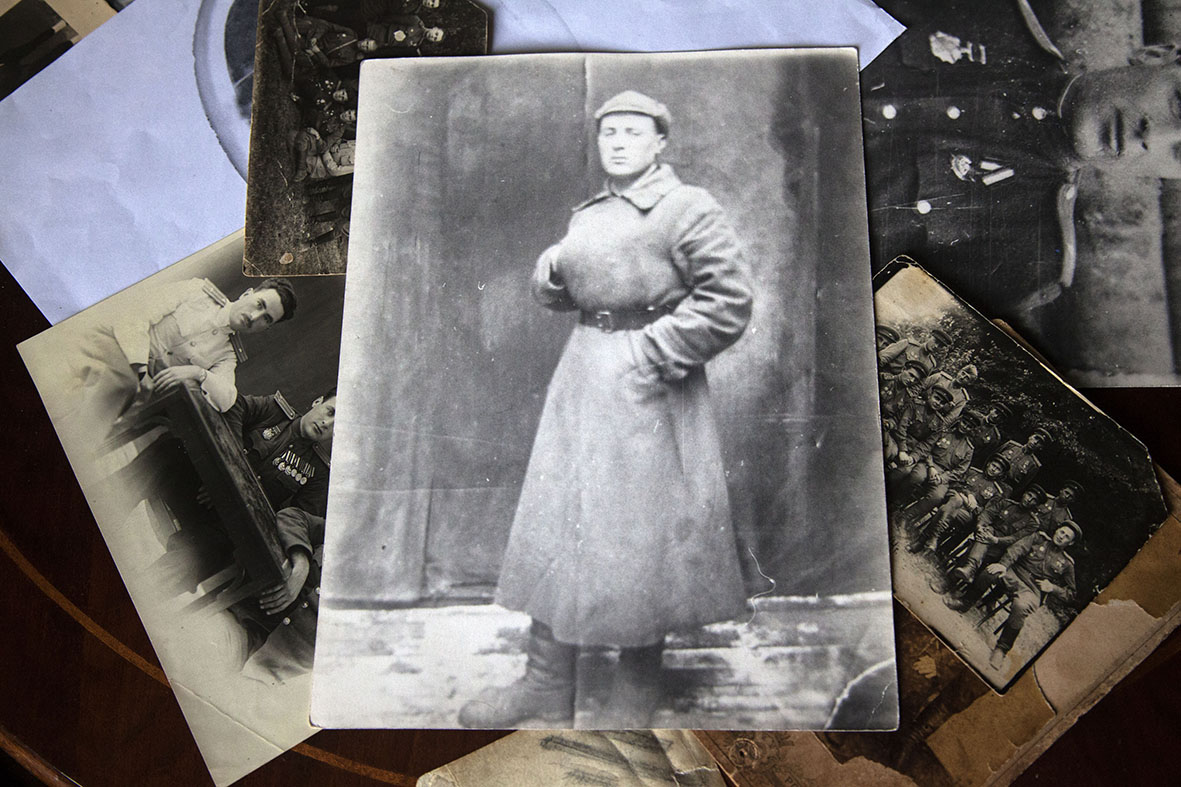
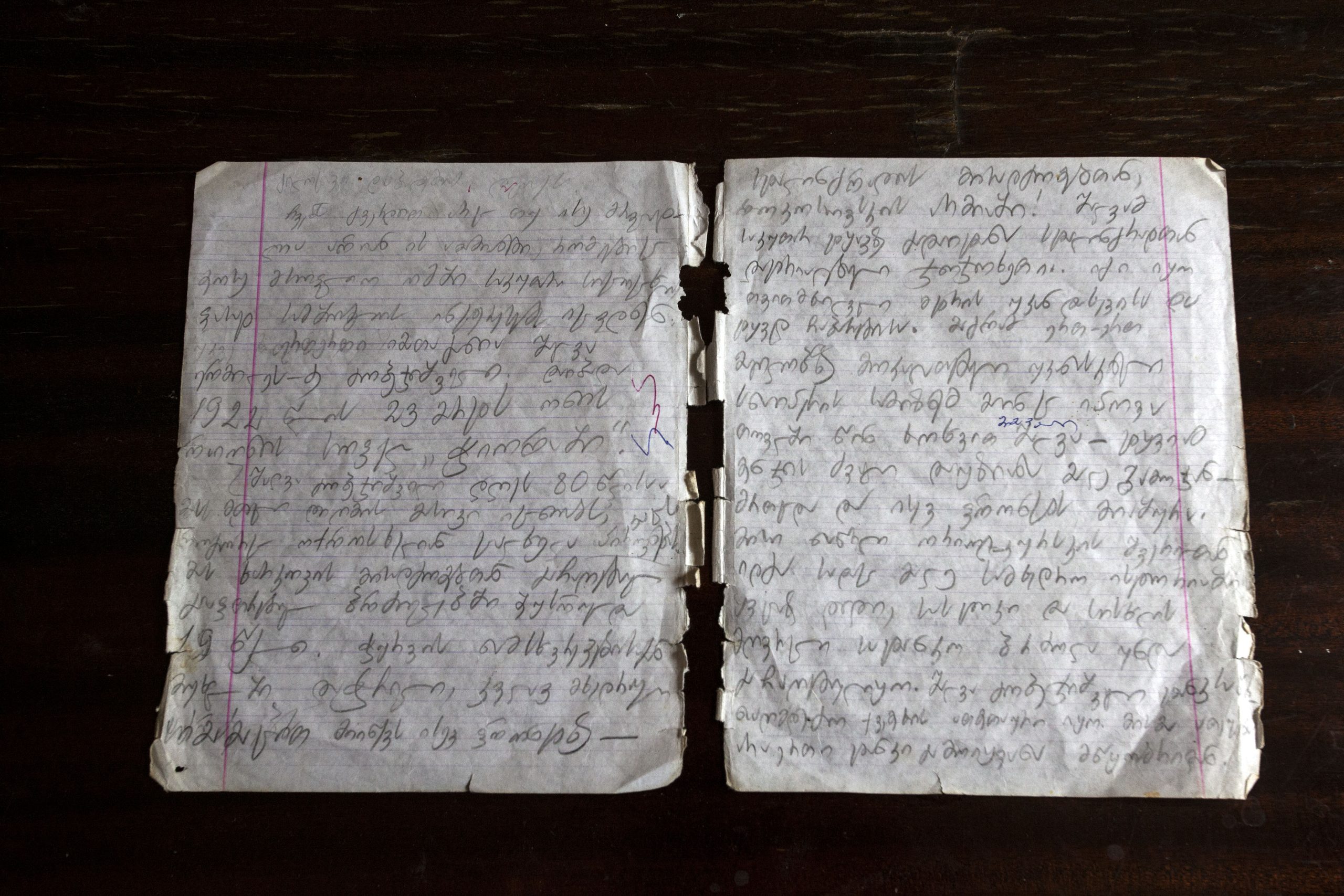
My great-grandfather was a soldier in the Second World War. His brother disappeared during the war, leaving no trace. As a child, this story fascinated me. The word “disappeared” sounded hopeful to my young ears. For a long time, I believed that somewhere, in a distant country, he was still alive and would one day return.
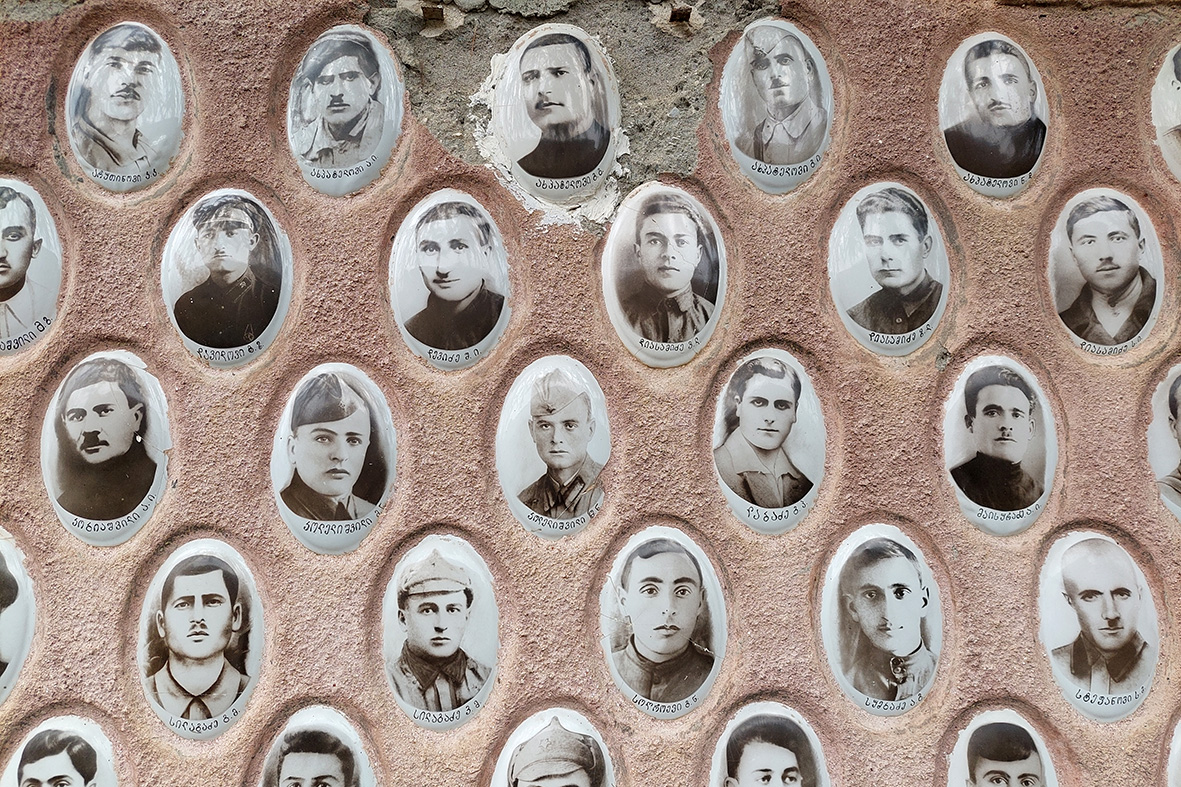
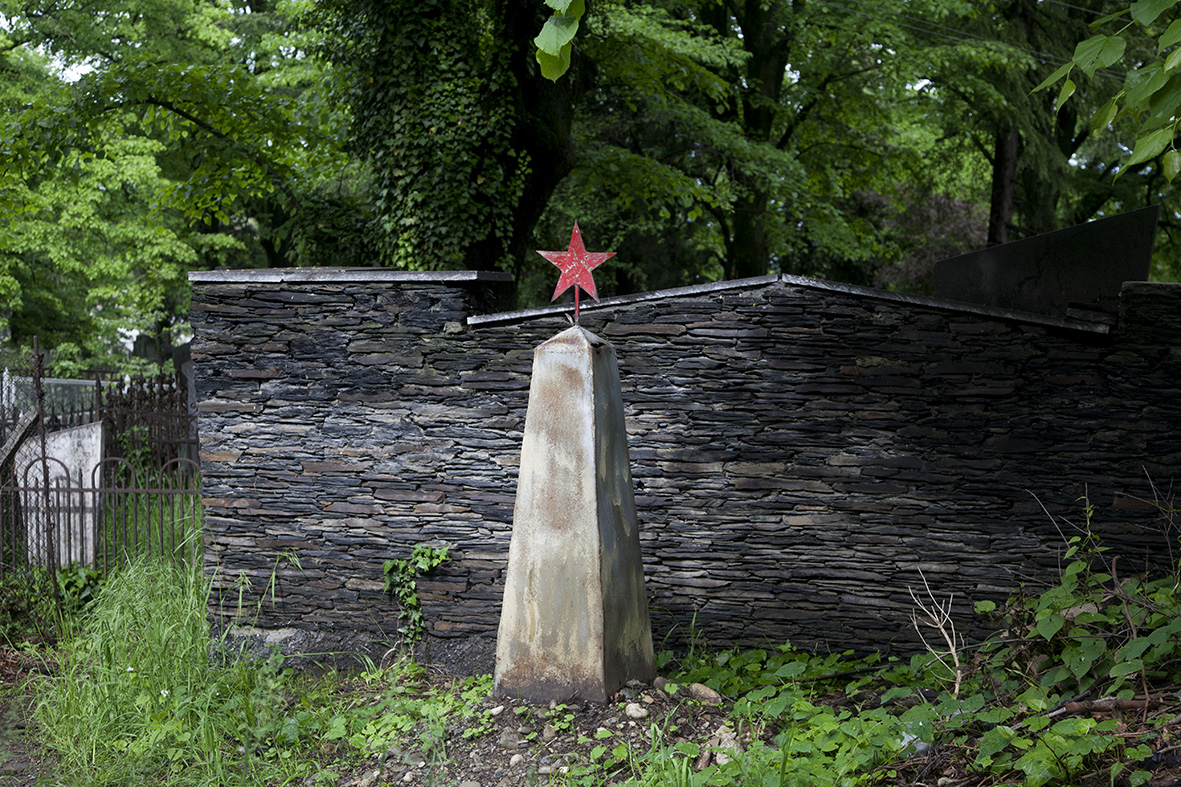
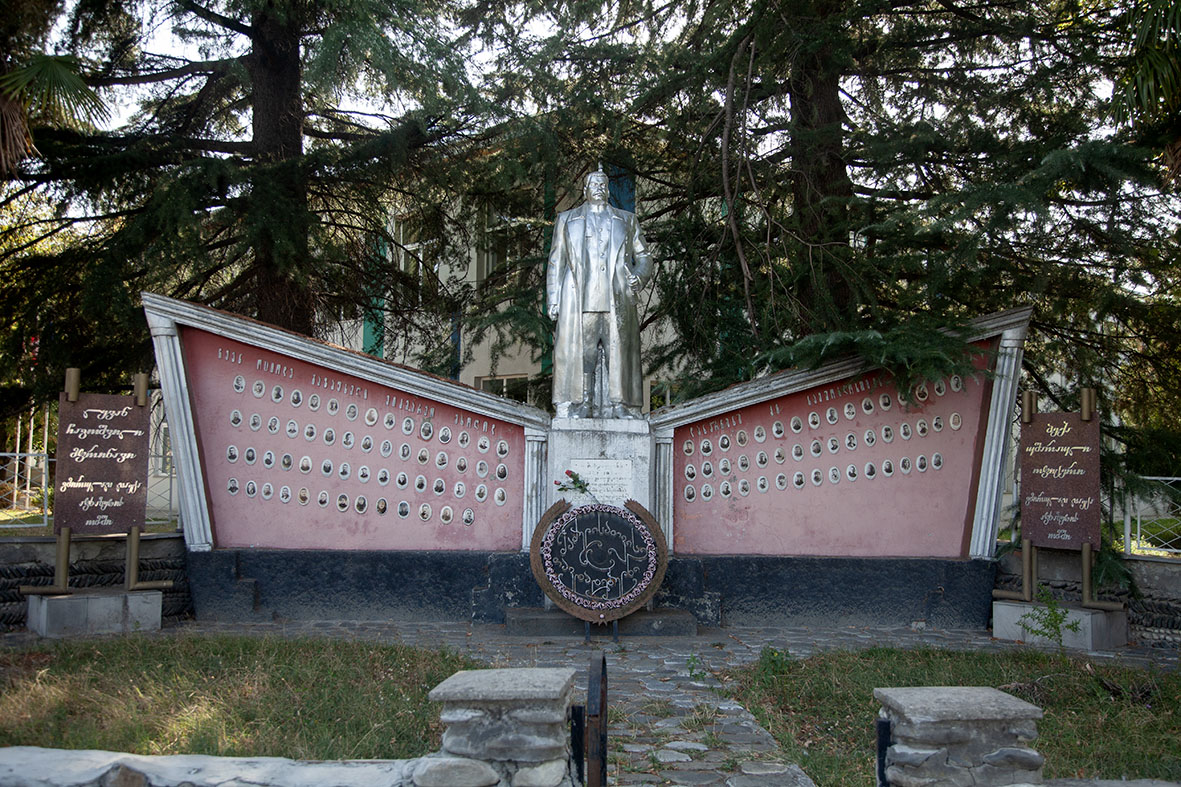
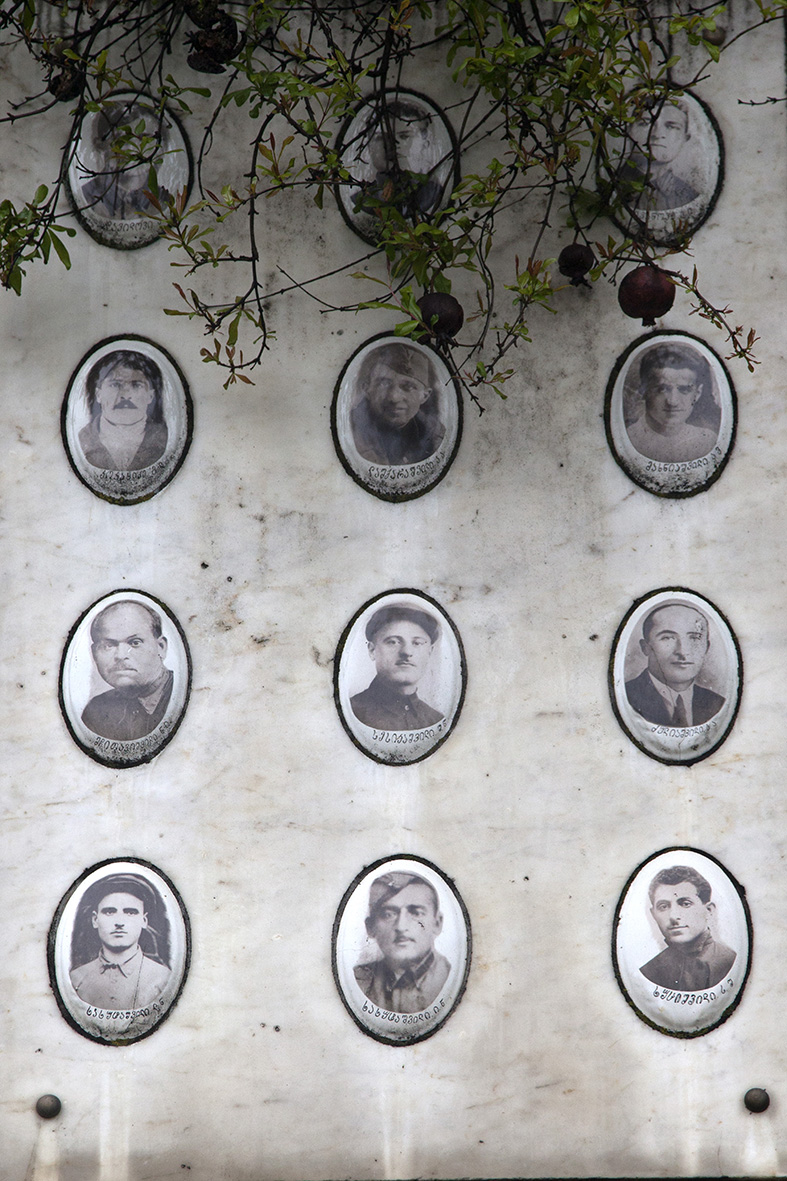
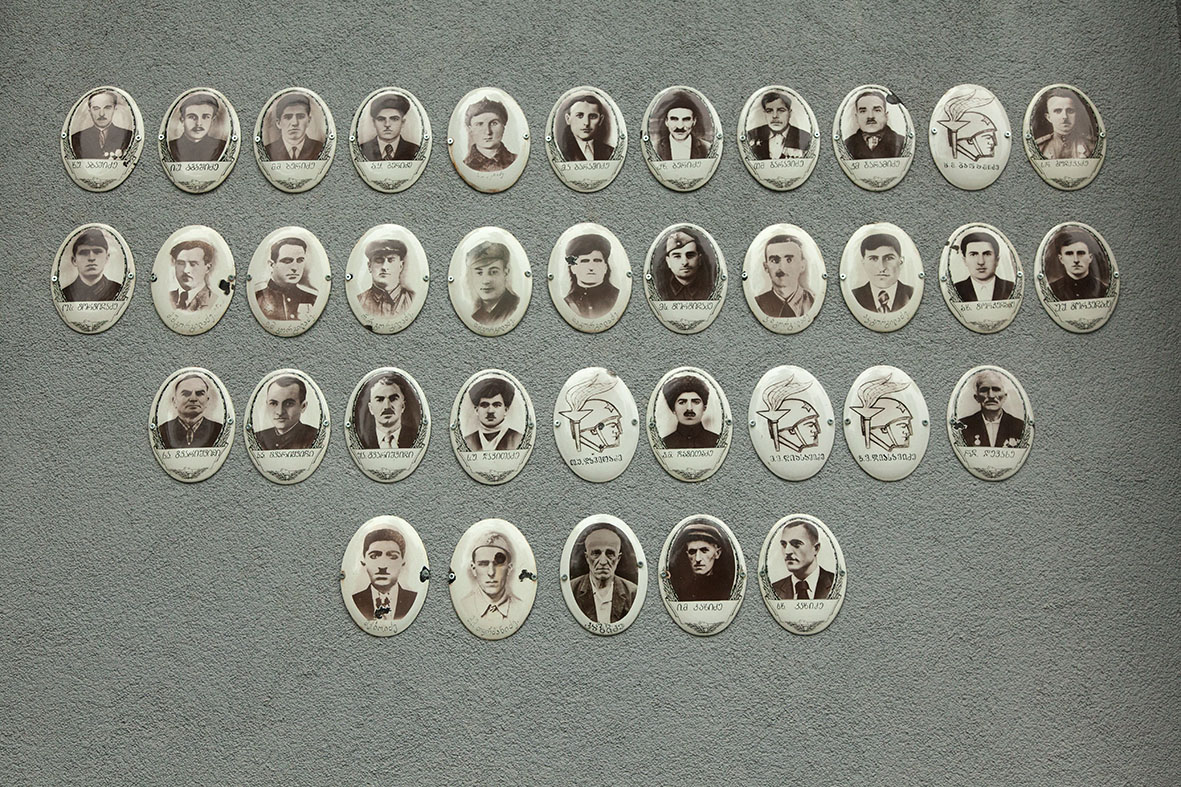
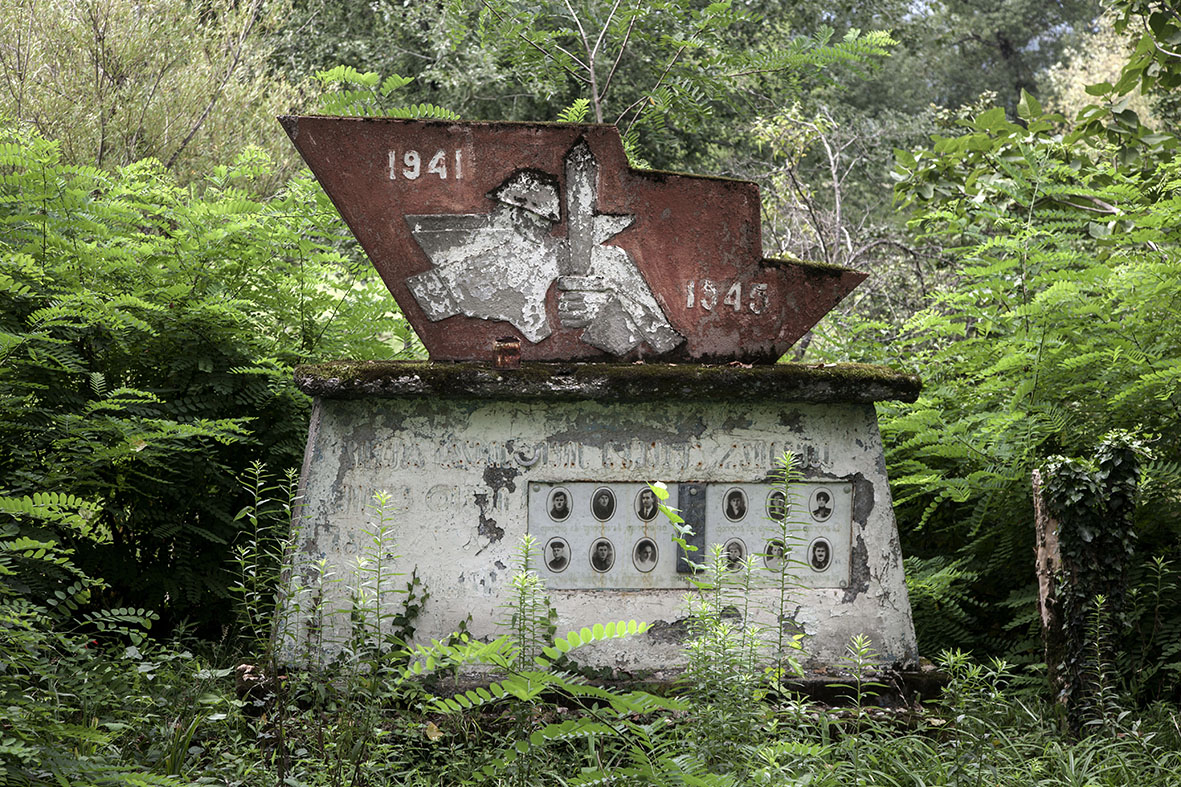
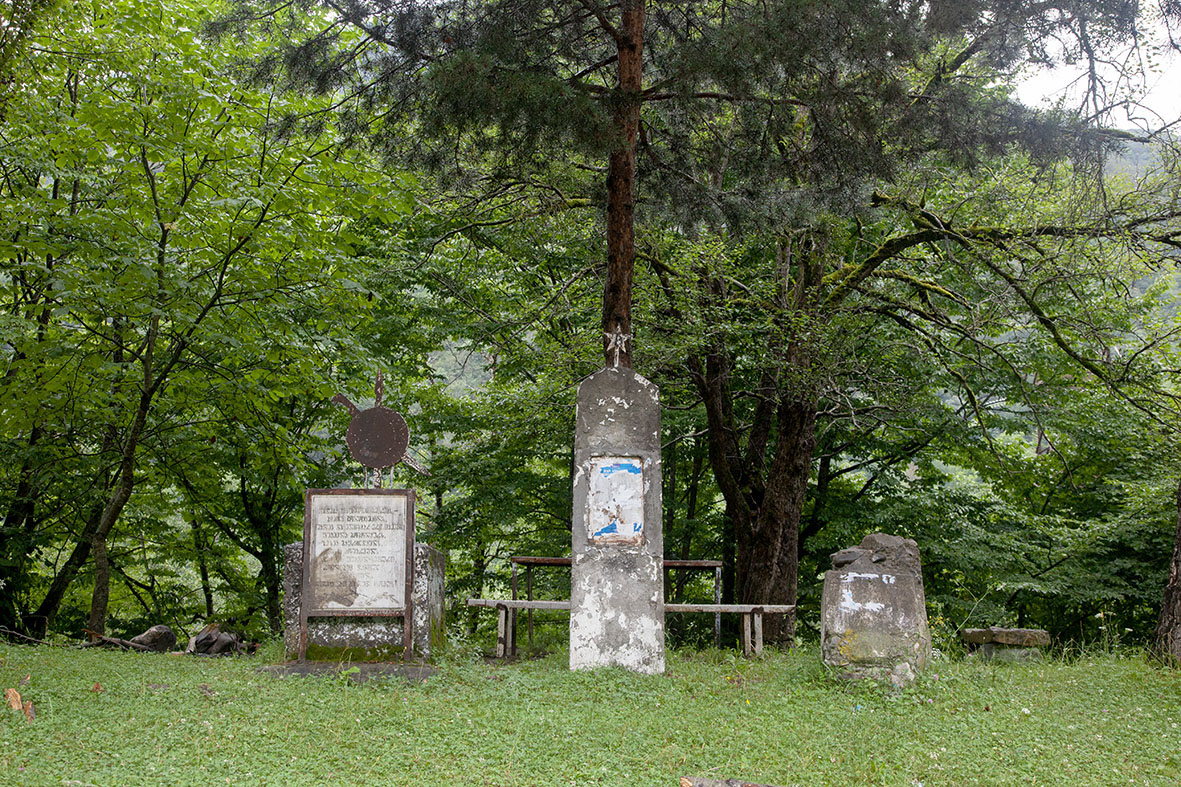
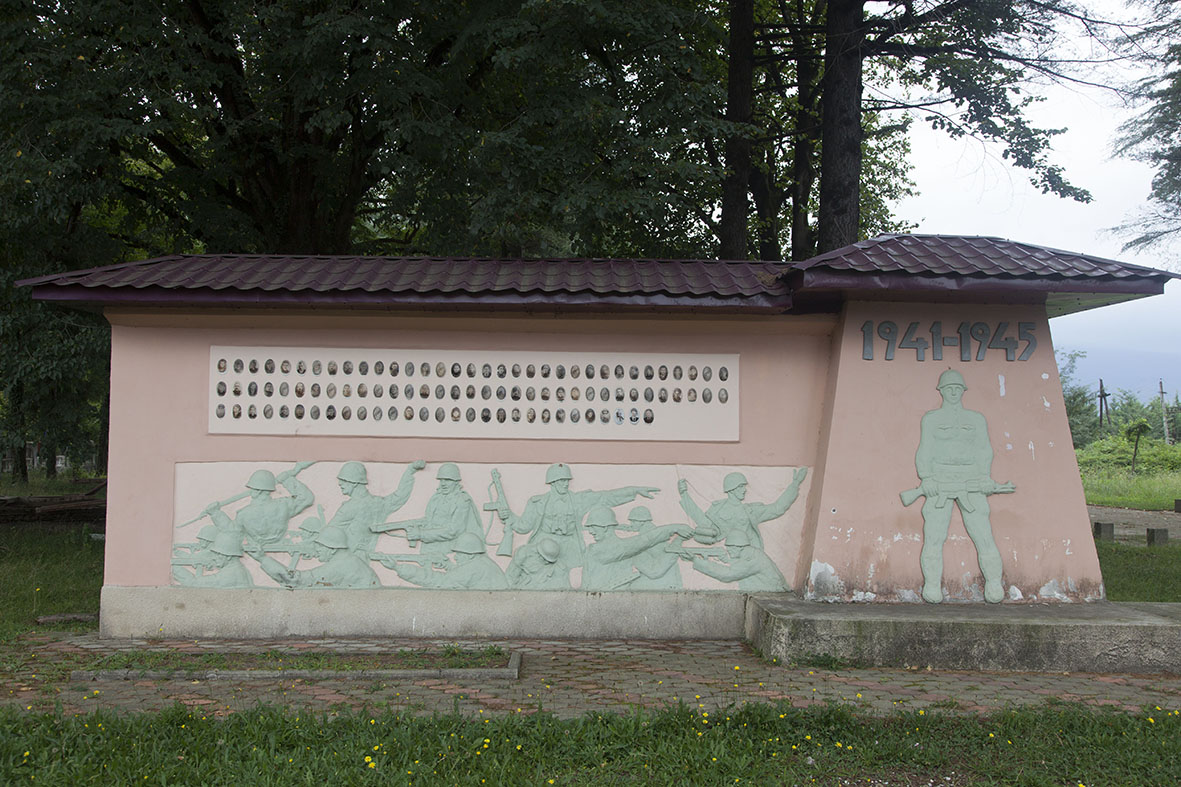
During the Second World War, approximately 700,000 people from Georgia were drafted into the Soviet Army. About 300,000 of them never came home. Today, across Georgian cities and villages, war memorials still stand. They bear the names and portraits of the missing. Some are hidden among trees, others covered by grass and fallen leaves. Some display Soviet symbols alongside later additions – marks of changing times and eras. These memorials preserve the memory of those lost from local communities.
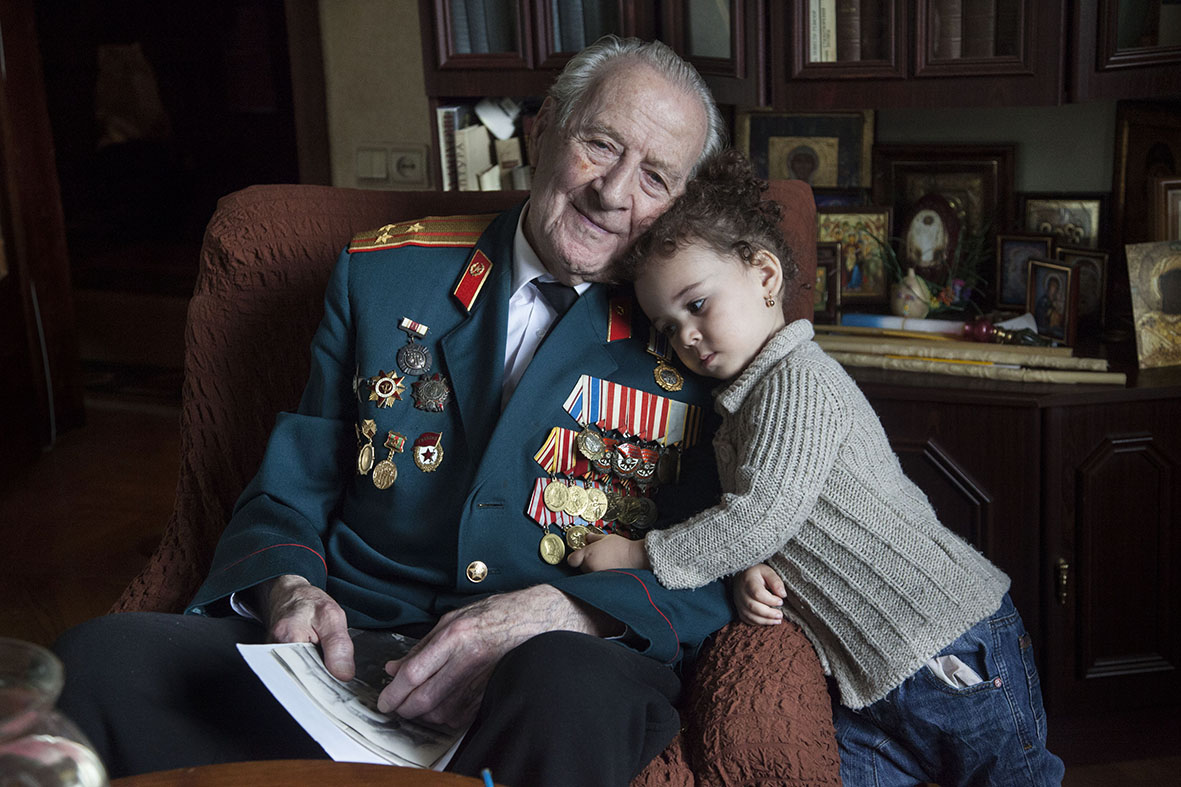
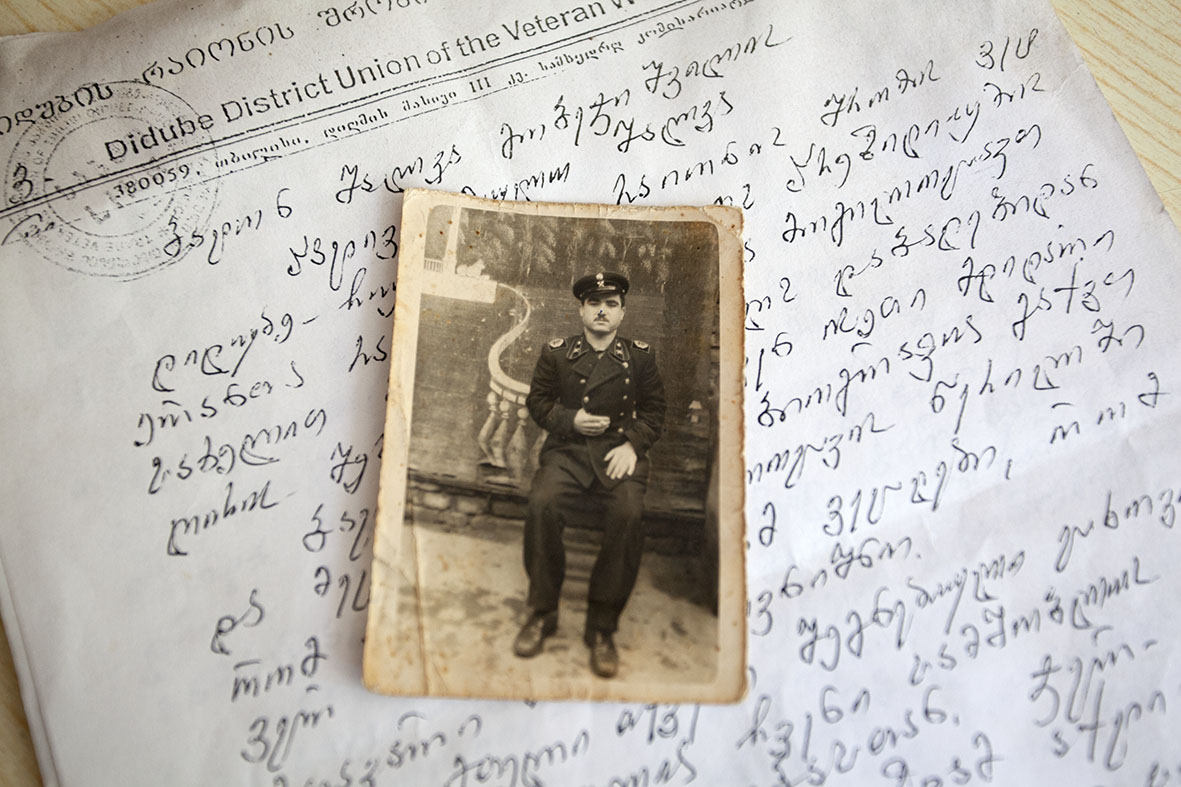
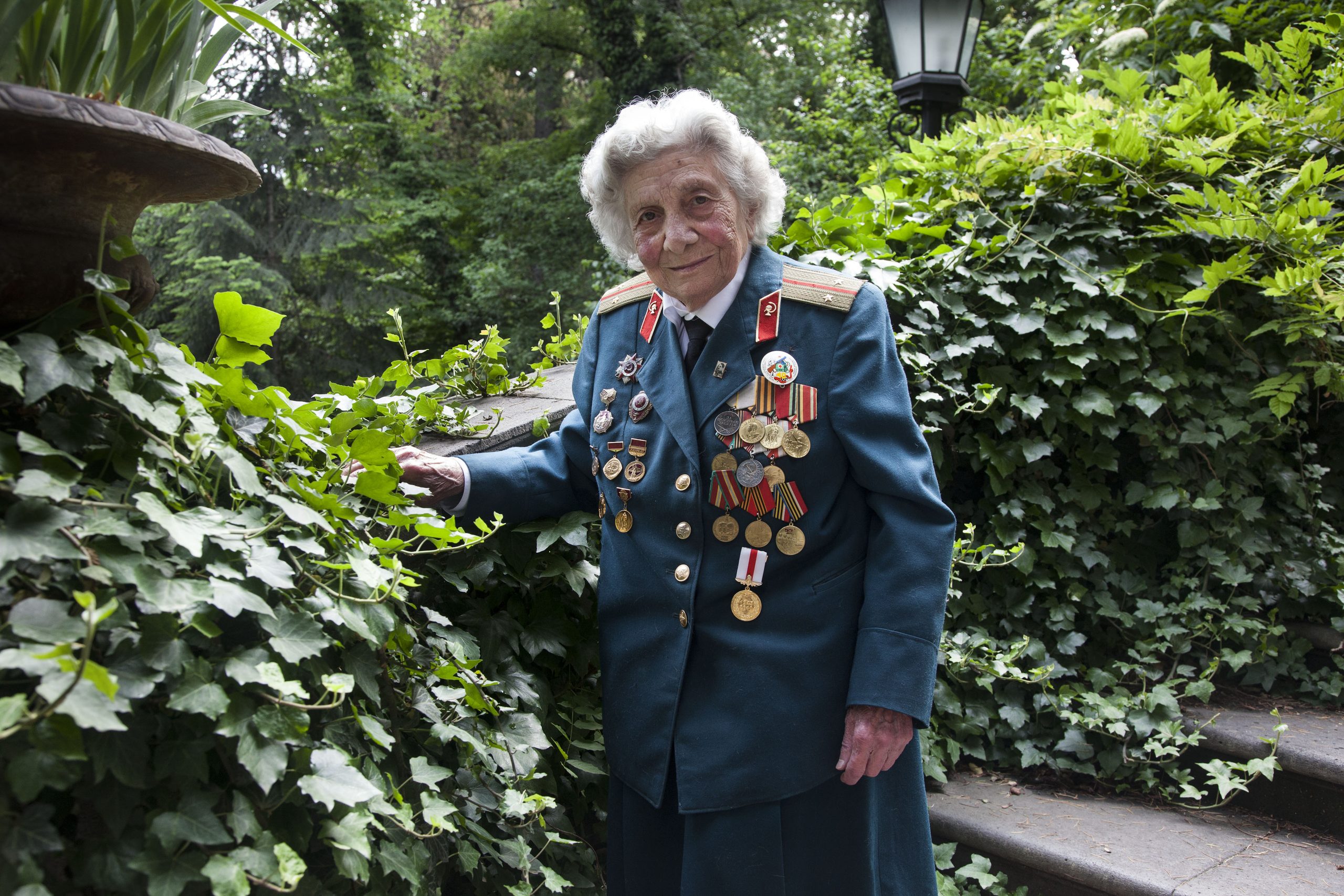
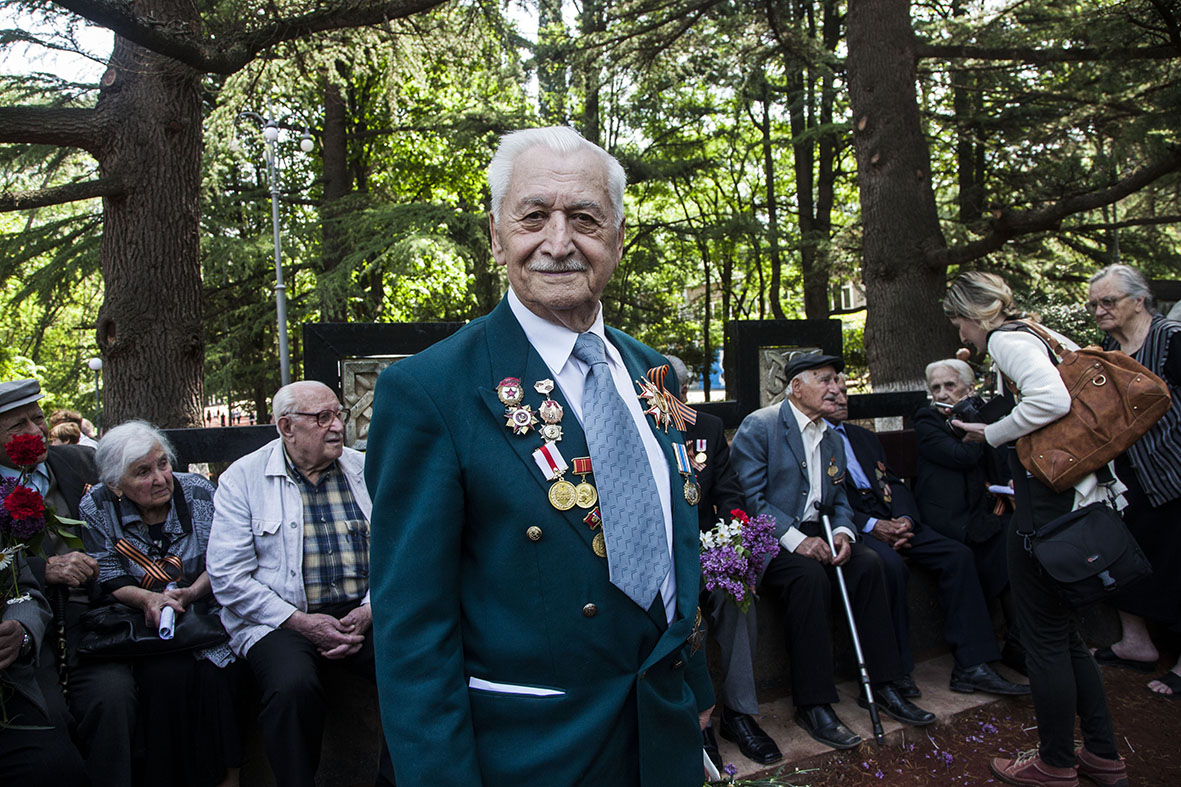
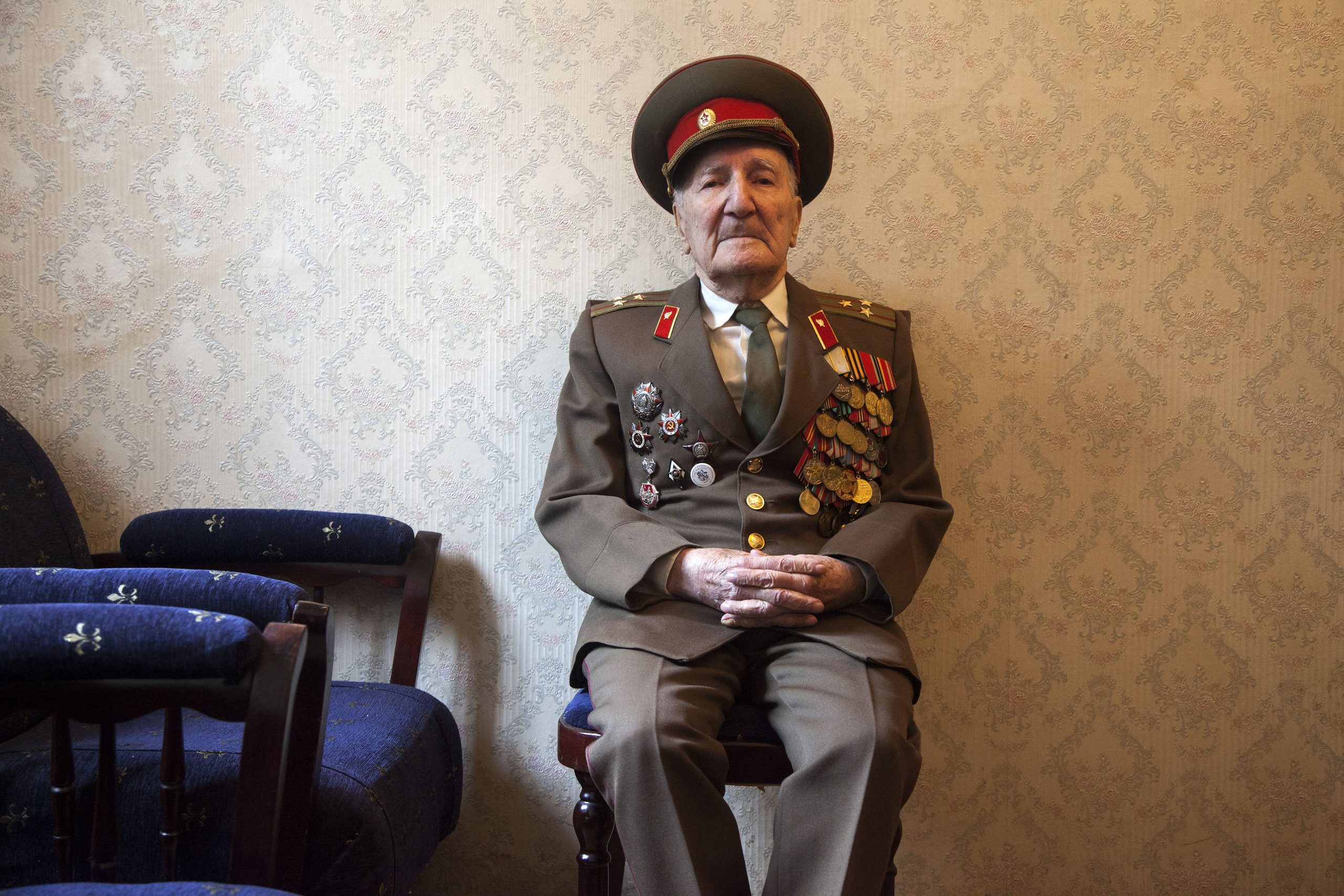
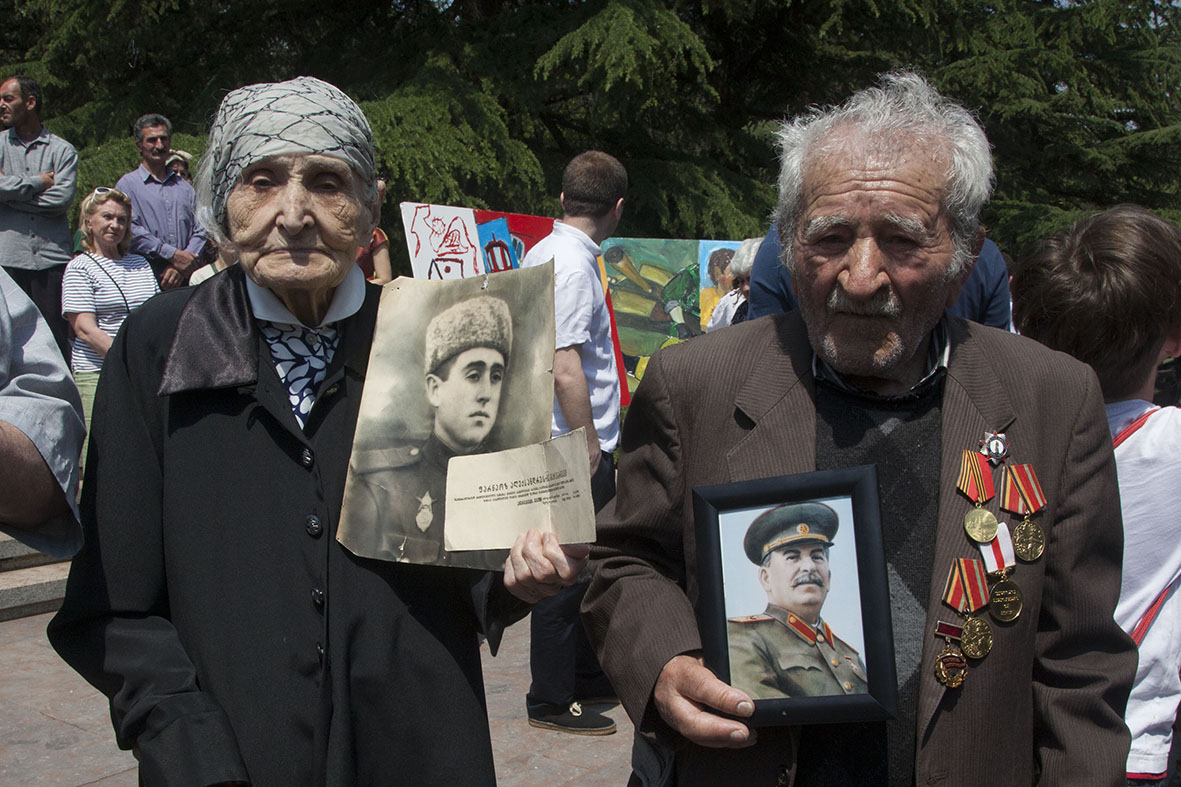
Alongside these monuments, war veterans themselves keep this history alive. Their numbers grow smaller each year. The eyewitnesses are slowly fading away. Every May 9th, they gather traditionally in Tbilisi’s Vake Park at the Unknown Soldier memorial. For them, this day is more than a celebration of victory. It is a chance to reunite with comrades and remember their shared past.
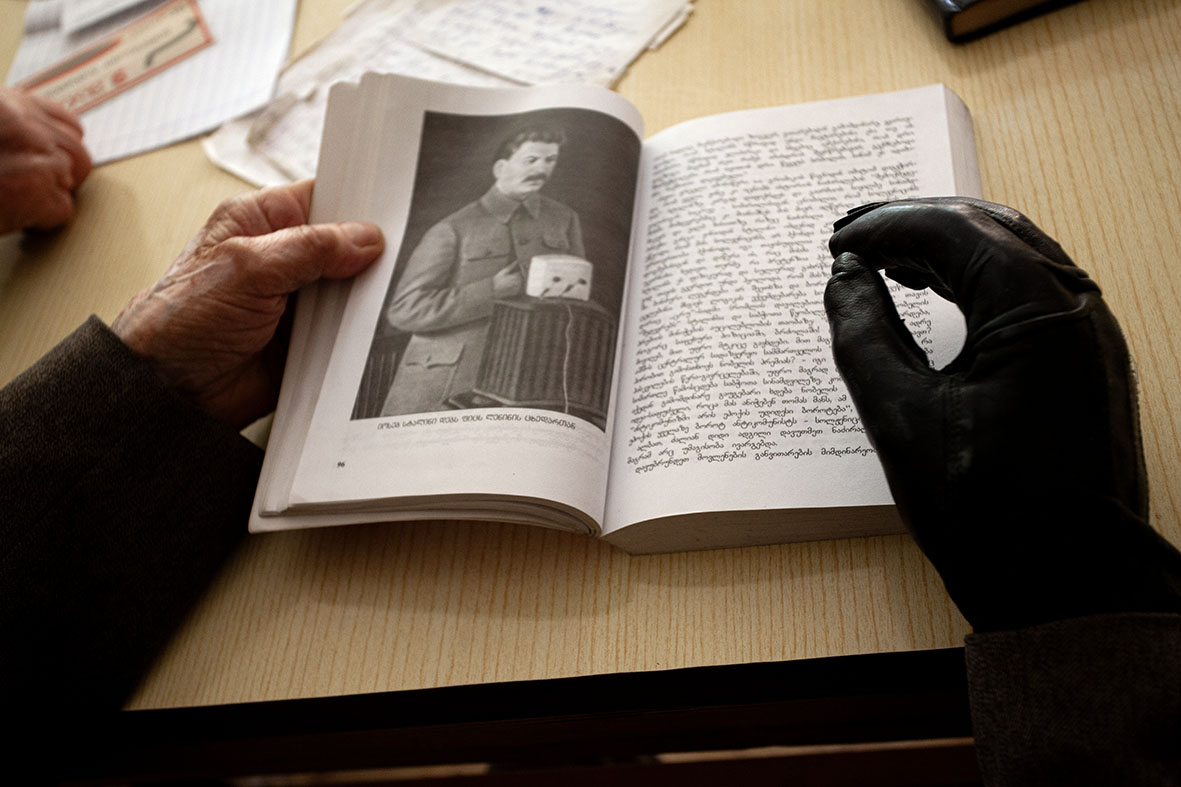
In their memories, war is connected to symbols of victory and often to loyalty to Stalin. For some veterans, this perspective remains unchanged even today preserved like the symbols and ideas of the era in which they spent their entire lives.
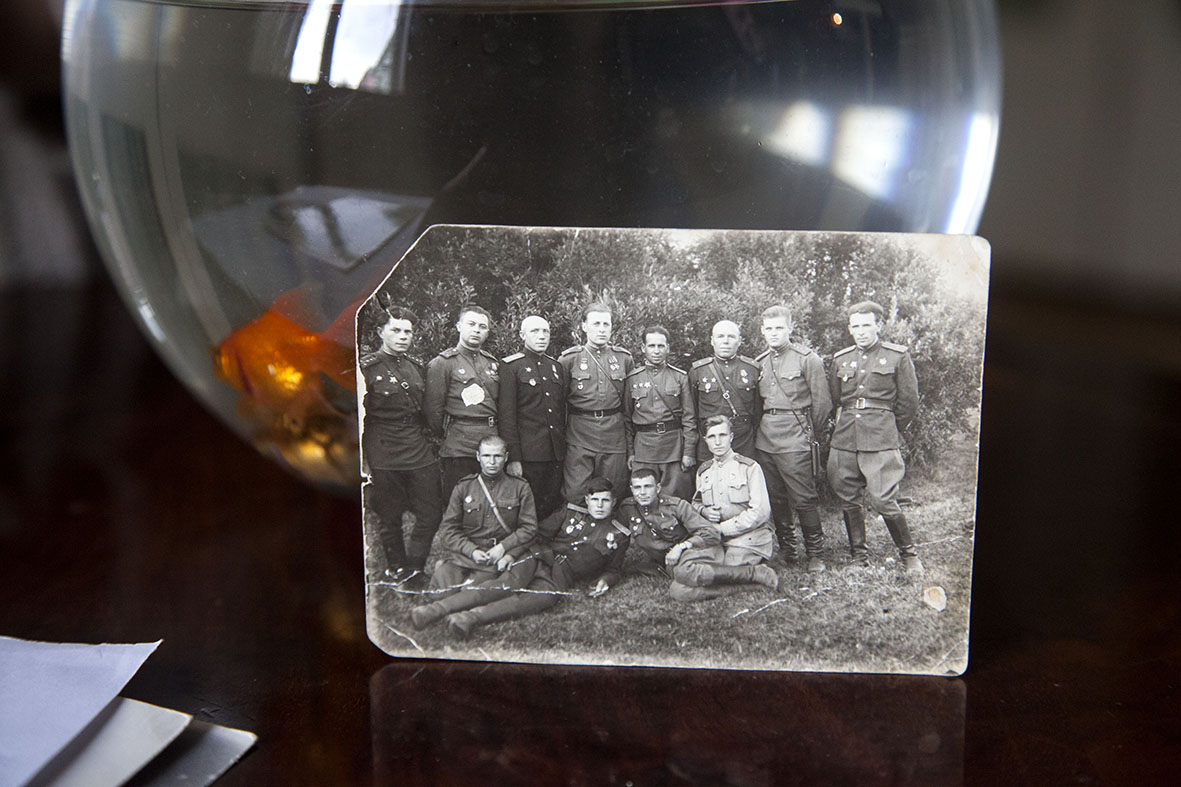
The mark of the Second World War is still present in our families, in our cities and villages. Sometimes it appears as names carved into stone. Sometimes it survives in old family photo albums. Sometimes it lives in the stories told by war veterans. These fragments together create a memory – one that neither completely fades nor remains fixed. It continues to transform before our eyes.